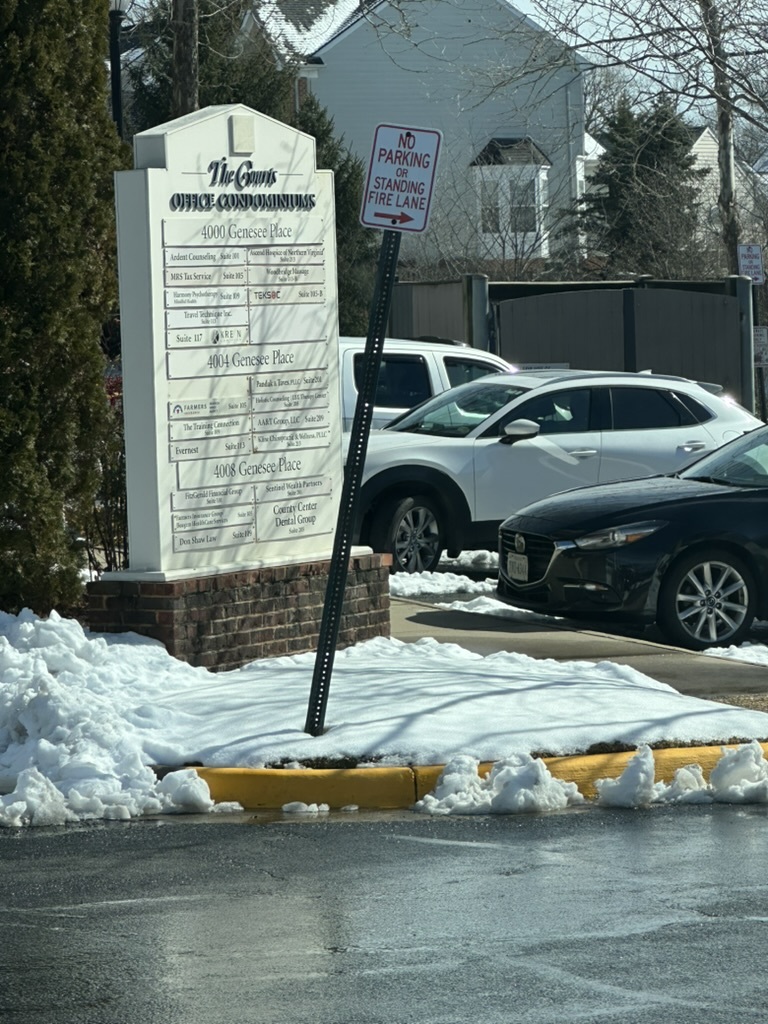
In the days before the recent winter storm, HOAs, insurance agents, and utility companies sent out plenty of reminders about storm preparation. Now that the snow is melting and temperatures are starting to fluctuate, some additional important work begins. Ice, snow load, freezing temperatures, and falling trees can all cause damage that is not immediately visible but can become costly if missed.
Below is a practical, post-storm inspection checklist for commercial building owners. It focuses on what to inspect inside the building, on the structure itself, and throughout the surrounding site so that issues can be identified early and addressed before they become major problems.
Exterior Building Envelope
Start with a full walk around the building. Most winter-related issues will appear first on the exterior. Check the following:
- Roof surfaces, flashing, and penetrations for signs of damage, displaced materials, or ice-related cracking
- Evidence of ponding water after the snow has melted, especially on flat or low-slope roofs
- Gutters, downspouts, and roof drains to confirm they are clear, intact, and properly discharging away from the building
- Parapet walls, coping, and edge metal for movement or separation caused by ice expansion
- Siding, brick, EIFS, or panels for cracks, bulging, or loose sections
- Windows and doors for broken seals, cracked glass, or water intrusion at frames
Snow and ice often conceal roof issues during the storm. So, leaks can show up days later, once melting begins.
Interior Areas and Building Systems
Once the exterior is reviewed, move inside and look for early warning signs that water or cold temperatures affected the building. Check the following:
- Ceiling tiles and drywall for stains, sagging, or discoloration
- Mechanical rooms, risers, and pipe chases for leaks or condensation
- Fire sprinkler piping for cracked fittings or signs of freezing
- Plumbing fixtures and supply lines for slow leaks that may have started during the freeze
- HVAC equipment, especially rooftop units and exposed components, for damage or ice-related issues
- Electrical panels and rooms for moisture intrusion
Small interior stains or minor drips often point to larger issues above the ceiling or behind walls.
Grounds, Parking Areas, and Site Features
Winter storms can be just as hard on the site as they are on the building itself. On the exterior, check the following:
- Parking lots and drive lanes for new potholes, heaving, or surface deterioration. Speed bumps for damage by plows.
- Sidewalks, ramps, and curbs for cracking or trip hazards caused by freeze-thaw cycles
- Exterior stairs, railings, and loading docks for loosened anchors or movement
- Retaining walls and site walls for leaning, cracking, or drainage issues
- Drainage swales, catch basins, and storm inlets to ensure they are open and functioning
Salt, snowplows, and heavy equipment can all contribute to damage that is easy to overlook.
Trees and Overhead Hazards
Snow load and ice accumulation often weaken trees even if they did not fall during the storm. Be sure to check the following:
- Trees near buildings, parking areas, and walkways for cracked limbs or splitting trunks
- Branches overhanging roofs, HVAC units, or power lines
- Evidence of root heaving or soil movement around large trees
- Damage to fencing, lighting, or signage caused by fallen branches
A damaged or weak tree that survived the storm may still pose a risk during the next wind event.
Why Post Storm Inspections Matter
What starts as a small roof leak, hairline crack, or blocked drain can quickly turn into interior water damage, mold concerns, or system failures. From an insurance and maintenance standpoint, documenting conditions promptly after a major storm is also critical.
For commercial building owners managing multiple properties, or for those who were unable to visit their site immediately after the storm, a structured inspection can provide clarity and peace of mind. The inspectors at Bright Leaf Commercial Property Inspections help identify storm-related damage, document conditions, and understand where to prioritize repairs. If your property was impacted by severe winter weather, our team can support you with a thorough commercial property inspection focused on protecting building performance and long-term value.