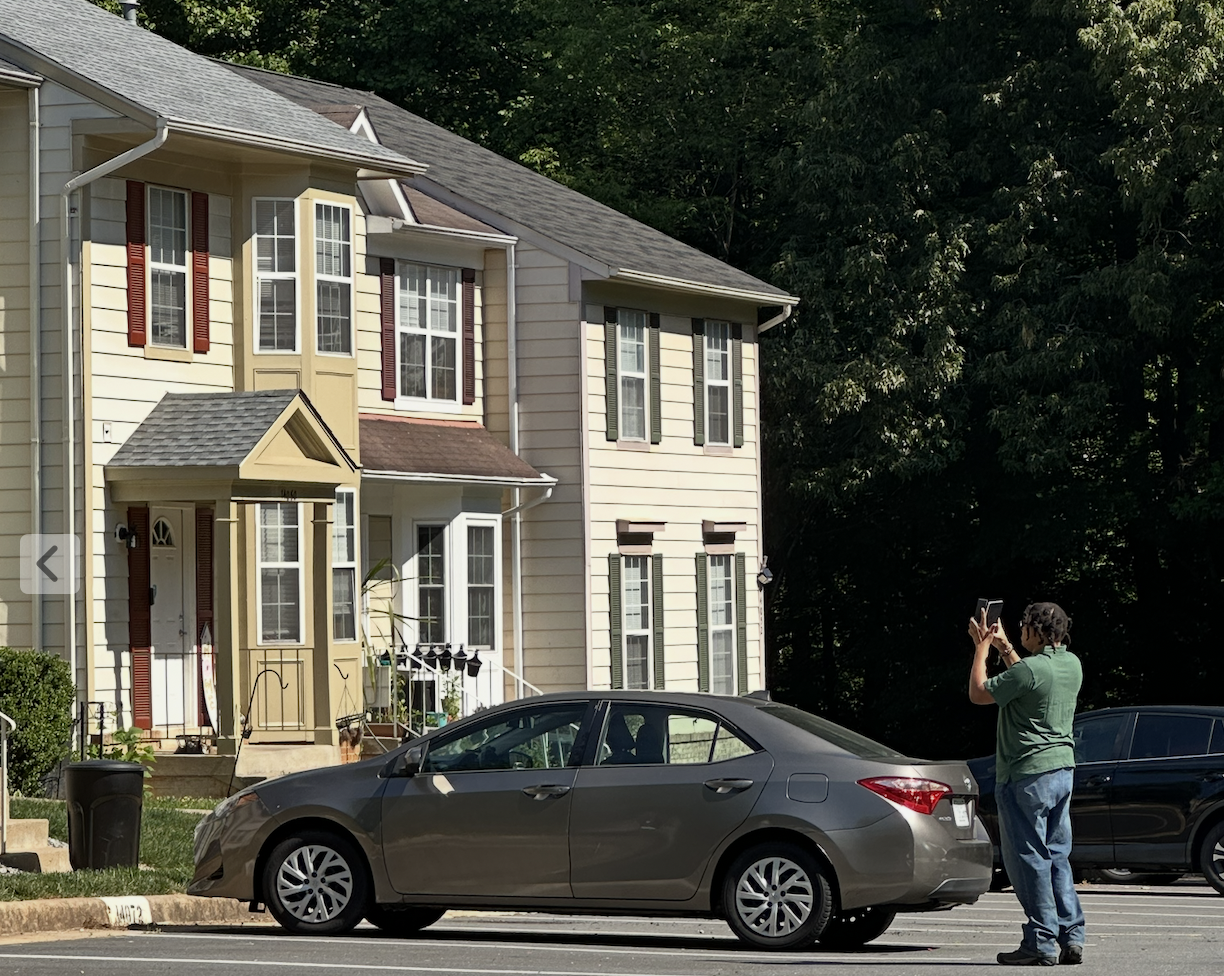
Nathan and I recently completed a large-scale exterior inspection project in a Woodbridge townhouse community. Over the course of the project, we evaluated more than 60 homes and documented hundreds of exterior conditions that needed attention.
One of the biggest takeaways from the inspection was that most of the homes were generally well-maintained. What we found was something common in mature communities: the gradual accumulation of deferred maintenance.
This is exactly why HOA inspections are important.
Why HOAs Conduct Exterior Inspections
Many homeowners drive past their property every day without noticing small changes that occur over time. Peeling paint becomes a little worse each year. Fence boards weather or crack gradually. Rust develops slowly around railings and stair assemblies. Missing roof accessories may not be visible from the ground.
Because these changes happen gradually, they are often overlooked until they become much larger and more expensive problems.
Regular HOA inspections help identify maintenance concerns early so homeowners can address them before deterioration accelerates. They also help communities maintain consistent appearance standards and protect property values throughout the neighborhood.
The goal is not to create work for homeowners. The goal is to identify issues while they are still manageable.
The Most Common Issues We Found
One of the most frequent categories of deficiencies we found in this HOA involved roofing components.
Throughout the community, we documented missing vent caps, rusted vent caps, damaged fascia boards, deteriorated soffits, roofline trim damage, and isolated areas of missing or damaged shingles.
Most of these conditions were not causing active failures. However, they are the types of issues that can worsen over time if left unaddressed. Missing vent caps can allow moisture and pests to enter attic spaces. Deteriorated trim can eventually lead to wood rot and water intrusion.
These are exactly the kinds of maintenance items that are far less expensive to address early.
Paint and Trim Deterioration Was Widespread
Another recurring issue involved aging paint systems and exterior trim.
We observed chipping paint, fading finishes, weathered coatings, exposed wood, deteriorated trim, and paint failure around windows, awnings, and roofline components throughout the community.
While many homeowners view paint as a cosmetic issue, paint serves an important protective function. Once protective coatings begin to fail, wood surfaces become increasingly vulnerable to moisture damage and deterioration.
Addressing these conditions early often prevents significantly larger repair costs later.
Rust and Corrosion Are More Than Appearance Issues
Rust staining at stair assemblies and metal railings was another common finding.
Many of these conditions appeared to be surface-level at this stage, but widespread corrosion often indicates aging protective coatings and long-term moisture exposure.
When homeowners address rust, repaint railings, and maintain exposed metal components, they are helping preserve both appearance and longevity.
Fences Showed Signs of Age and Weather Exposure
Fence-related deficiencies were also common throughout the community.
Broken boards, fading stain, algae growth, weathering, and vegetation growing through fencing were noticed repeatedly during the inspection process.
While these issues may seem minor individually, they can collectively impact the appearance of an entire neighborhood. Consistent maintenance helps preserve the attractive appearance that homeowners expect when they purchase in an HOA community.
Landscaping Still Matters
We also observed overgrown lawns, vegetation encroaching on fences, shrubs requiring trimming, and dead trees.
Landscaping issues are often among the easiest maintenance items to correct, yet they can have a substantial impact on curb appeal and neighborhood appearance.
A well-maintained property benefits not only the individual homeowner but also neighboring properties throughout the community.
The Real Value of HOA Inspections
One of the most important conclusions from this project was that the community appeared generally stable and reasonably maintained. Most of the deficiencies we documented involved routine maintenance, exterior aging, and deferred upkeep rather than major building failures.
That is exactly why inspections matter.
By identifying maintenance concerns early, homeowners have an opportunity to make repairs before small issues become expensive projects. At the same time, the HOA gains an objective understanding of community conditions and can encourage consistent maintenance standards throughout the neighborhood.
The result is a community that remains attractive, functional, and better protected from long-term deterioration.
At Bright Leaf Commercial Property Inspections, our mission is to help property owners identify small problems before they become major expenses. Our HOA inspection programs provide objective documentation that helps communities maintain standards, encourage proactive maintenance, and protect property values throughout the neighborhood. If your HOA is considering a community-wide inspection program, we would be happy to discuss how we can help.
Frequently Asked Questions About HOA Exterior Inspections
Why does the HOA conduct exterior inspections?
HOA inspections help identify maintenance conditions that may violate community standards or require homeowner attention. They also help the association monitor the neighborhood’s overall appearance and condition and ensure that maintenance responsibilities are being fulfilled. Exterior maintenance conditions can affect the overall appearance, safety, and property values of the entire community.
What types of homeowner maintenance issues are commonly identified during HOA inspections?
Common findings include peeling paint, deteriorated trim, damaged siding, missing shingles, rusted railings, broken fence boards, overgrown landscaping, dead trees, torn window screens, and other exterior maintenance concerns that can affect the appearance and condition of the community.
Why do HOA inspections look at things like paint, fencing, and landscaping?
These items contribute significantly to the appearance and overall condition of the community. Consistent maintenance helps preserve curb appeal and protects property values for all homeowners.
How can homeowners benefit from HOA inspections?
Inspections can bring attention to maintenance concerns that homeowners may not have noticed. Early awareness gives owners an opportunity to make repairs before conditions worsen, helping protect both their property and their investment.